
Build an approval‑ready credit profile
Understand what’s driving your credit decisions, identify items that may be unfair or inaccurate, and take a structured next step toward stronger approvals and better terms.
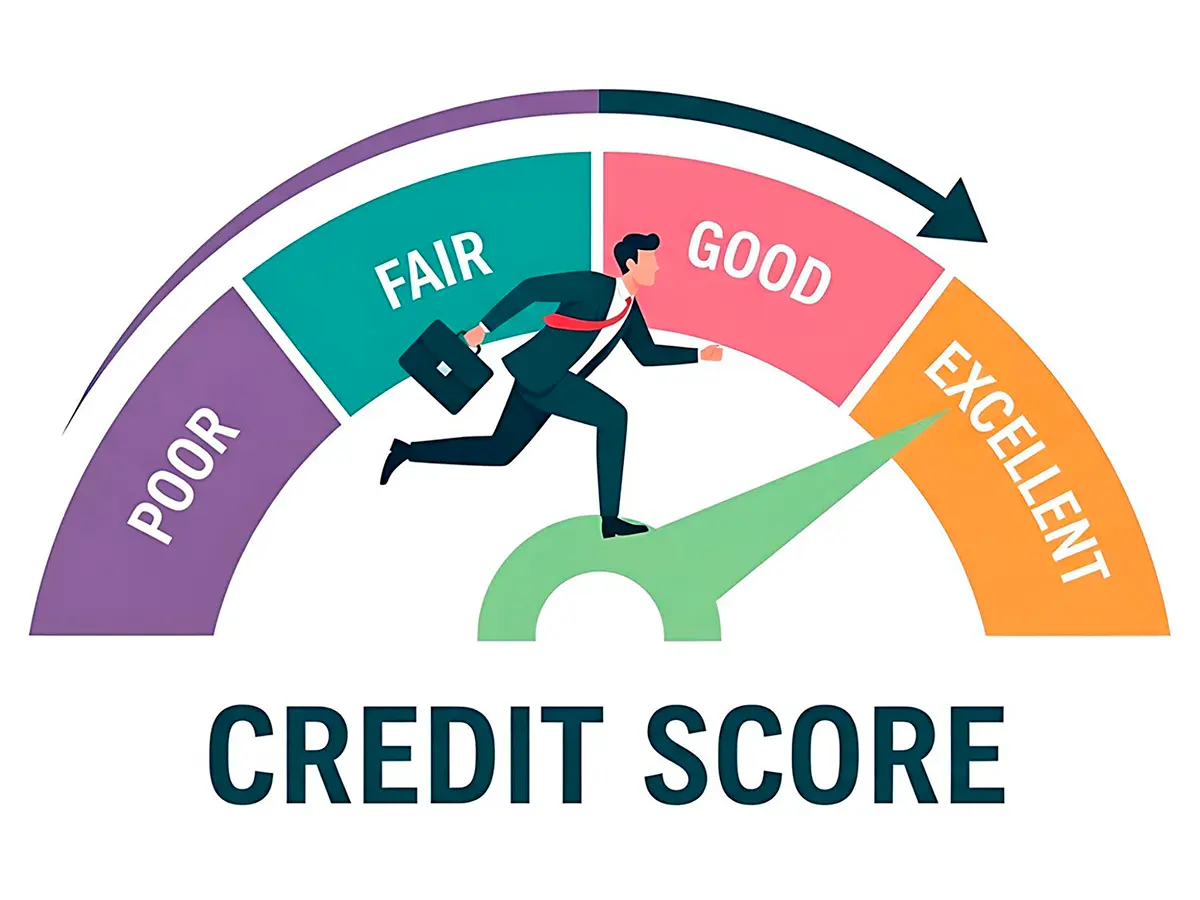
Built around established U.S. credit reporting practices and dispute procedures under the Fair Credit Reporting Act (FCRA). No unrealistic promises—just clarity, documentation, and structured credit improvement.
Unlock more options
Choose the outcome you care about. We’ll outline what improves it—and what to watch for—so you can move forward with confidence.
Your path to stronger credit
A stronger credit profile can mean better approval odds, improved loan terms, and more financial flexibility. Get a clear, no-fluff overview of what credit improvement can help you achieve — then take the next step when you're ready.
Credit decisions in the U.S. are typically influenced by payment history, utilization ratios, account age, recent inquiries, and the accuracy of reporting across major credit bureaus.
Even small inconsistencies can affect lending algorithms. A structured credit improvement approach focuses on verified data, responsible usage patterns, and consistent financial behavior.
*Results vary. This page does not guarantee outcomes.
How it works
A straightforward workflow used by reputable credit‑support programs: review, challenge what’s questionable, and build stronger habits while updates are processed.

Review your starting point
Clarify your goal and look at what’s currently affecting approvals and terms.

Identify what can be challenged
See what information is typically needed, what to expect next, and how the workflow usually looks.

Move forward
Continue to explore available options and take the next step toward better credit outcomes.
how long to improve credit score: timelines, levers, and realistic milestones
There isn't a single clock for credit improvement; there are several moving ones. Your timeline depends on what's changing in your file, how fast lenders report, and which scoring model is being used. With the right actions, initial progress can appear fairly quickly - though deeper, steadier gains take more time.
What "how long" really means
Scores refresh when your reports change. Most credit card issuers update monthly after statements close; some furnish mid-cycle. Credit bureaus process within days, then lenders pull fresh data on their own schedules. Because of this cadence, meaningful changes often land in 2 - 8 weeks, with bigger milestones at 3, 6, and 12 months.
- Fast (days to 4 weeks): Lowering utilization, removing a reporting error.
- Near-term (1 - 3 months): Consistent on-time payments, stabilizing balances, limiting inquiries.
- Mid-term (6 - 12 months): Building payment history depth, aging new accounts.
- Long-term (1 - 7 years): Aging derogatories and length of credit history.
Typical timelines by action
Paying down revolving balances
Utilization is recalculated each time your card issuer reports. If you pay a card from 70% to under 10% of its limit, you can see a score bump after the next statement - sometimes sooner if the issuer reports mid-cycle - but results vary by model and file thickness.
Correcting errors and disputes
Most investigations close within 30 - 45 days. If inaccurate late payments or balances are removed, score gains can appear as soon as the update posts.
Stacking on-time payments
Payment history strengthens with repetition. Three months of perfect payments may show incremental improvement; six to twelve months builds a stronger trend, especially after prior missteps.
New negative marks
Hard inquiries influence scores modestly for about 12 months. Late payments can weigh heavily for the first 6 - 24 months, then gradually less. Collections, charge-offs, or bankruptcies take years to fade, but their impact softens with consistent positive behavior.
New accounts and mix
Opening a new card can briefly dip scores (inquiry and reduced average age) but may help after 3 - 9 months if utilization drops and payments are pristine. A secured card can add flexibility without overextending.
A brief real-world moment
On a Tuesday in April, someone pays two cards down below 10%. Two weeks later, their bank's score tracker jumps 28 points. A mortgage preapproval pulled that same afternoon still shows last month's balances, so the lender asks to rerun credit after the next statement cycle. Practical, and a touch anticlimactic - yet it works.
How to track without guessing
- Note statement dates. Pay cards before they close so reported balances are low.
- Watch utilization. Aim under 30% overall; under 10% per card is stronger.
- Automate minimums. Prevent accidental lates.
- Be intentional with new credit. Group necessary rate-shopping within a short window.
- Monitor reports monthly. Verify updates posted; fix discrepancies promptly.
Why results vary
Different scorecards, thin files, high limits versus low balances, and the age of negatives all shape outcomes. Put simply, the same action can move one person's score a lot and another's only a little.
A flexible, supportive path
Focus on controllables: pay on time, reduce revolving balances, avoid avoidable inquiries, and let accounts age. Expect visible movement in one to three cycles, steadier momentum by six months, and the strongest signal after a full year of consistent habits. Adjust as your data updates - steady, supported progress beats speed-chasing every time.
Generally, you might need anywhere from 12 to 24 months, depending on your specific financial habits and the depth of your credit issues.
How Long Does it Take to Improve Credit? - High Credit Utilization or Hard Credit Pull 3 months - Late Mortgage Payment (up to 90 days) 9 months - Missed ...
With timely payments, you may see a rapid improvement in your credit score. The average Credit Strong customer sees a 25-point increase to their FICO Score 8 ...
Frequently asked questions
A clear next step — without the guesswork
See what’s impacting approvals and what may deserve a closer look.
Understand how disputes are structured and what documentation matters.
Improve utilization, consistency, and long-term credit stability.
See what improving your credit could change
Take a structured next step based on your current profile — and decide with clarity.